
Paid reading is established in overseas markets, and platform revenue-sharing models are relatively mature. This guide compares self-publishing, serial fiction platforms, and audio adaptation, then explains licensing scope, exclusivity, revenue sharing, buyouts, and localization.
Paid online fiction has been established overseas for years. Readers are willing to pay monthly for stories they enjoy or unlock chapters one by one, and platforms share a portion of that revenue with authors. The model itself works; the harder part is choosing the right channel and licensing arrangement, then updating consistently.
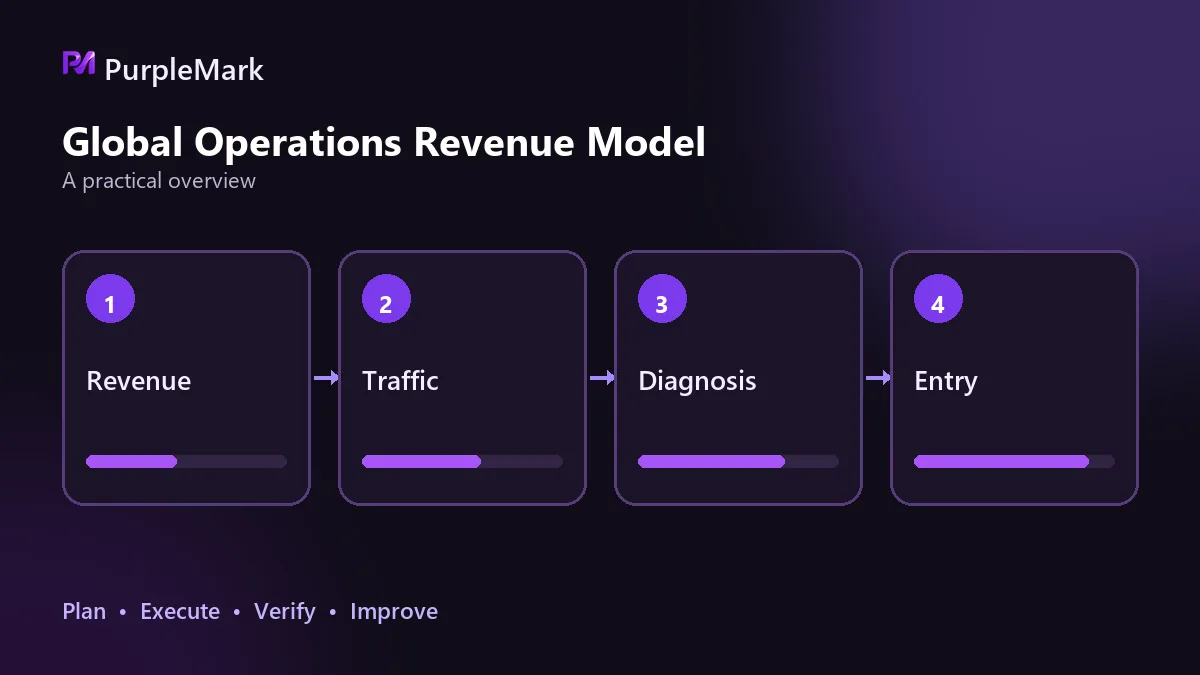
Three channels, three monetization models
Self-publishing mainly means ebook stores. Authors handle uploading, pricing, and listing themselves; the platform takes a cut, and earnings are settled according to sales. The advantage is freedom of pace with no update pressure. The trade-off is that there is no built-in platform push, so readers must find the book through search and recommendation placements, which usually means very little exposure at the beginning.
Serial fiction platforms operate differently. Readers follow chapter by chapter, while algorithms surface works that update reliably and have high completion rates to more bookshelves. This route exchanges update volume for exposure. After signing, income usually has two parts—bonuses and revenue share—and it suits authors who can maintain daily updates. Titles, covers, blurbs, and tags matter especially on these platforms because readers browsing a library often make decisions from those elements alone.
Audio adaptation is a third route. Once a work has accumulated enough readership, a platform or third party may license the rights to produce an audio version, with the author receiving either a one-time fee or a share under the licensing agreement. The text edition normally needs to prove itself first, so audio is an add-on rather than a starting point.
Think through the license before signing
Two issues sit at the center of any contract: the scope of rights and exclusivity.
An exclusive license means publishing the work through only one channel in exchange for higher bonus tiers and a larger revenue share. A non-exclusive deal lets you distribute to multiple platforms at once, but bonuses and percentages are usually lower on each one. The right choice depends on whether you can maintain the update rhythm across several platforms; spreading too widely can leave every channel under-served.
Check exactly which rights are included as well. Contracts commonly cover digital reading rights, while audio adaptation, translation into other languages, and film or television adaptation often require separate terms. Reading these clauses before signing is much easier than discovering later that the work is being used in a way you never intended to authorize.
Another model is a one-time buyout. A partner pays a fixed amount for a specified category of usage rights, and future sales no longer affect your income. This can suit authors who want fast cash and do not plan to operate the same work long term. If the title has a chance to keep selling, however, a buyout is usually the less favorable side of the trade-off.
Where the revenue comes from
Income on serial platforms is usually divided into four parts: signing bonuses, completion bonuses, attendance bonuses, and royalty sharing.
A signing bonus is paid once after the work signs for the first time and reaches the required word-count threshold. Non-exclusive and exclusive tiers differ by about US$50. Completion bonuses are tiered by final length, with works above 100,000, 150,000, and 200,000 words corresponding to progressively higher amounts. Most are available only to exclusive authors, and withdrawal commonly requires the work's accumulated earnings to reach at least half the bonus amount.
Attendance bonuses are calculated against serialization requirements. Common conditions include updating at least 2,000 words per day and posting on at least 25 days each month. Once the conditions are met, the bonus is paid monthly, usually with a cap on how many times it can be claimed.
Royalties are the only component that continues to move with the work itself. Platforms may calculate them from gross revenue or from net profit, and exclusive authors generally receive a noticeably higher percentage than non-exclusive authors. This income is often thin at first and depends on the readership the work builds over time.
Most platforms settle monthly and offer two withdrawal application windows each month. E-wallet methods tend to have a lower threshold, starting at around US$25, while bank-wire thresholds are higher, often above US$100, and transfers take longer. Exact rules depend on the platform's official terms, so it is worth reading the full withdrawal policy before signing.
Translation and localization are more than language
Machine translation can now produce text without obvious grammatical errors, but stiff phrasing and unnatural dialogue remain common. Readers are least forgiving at the beginning: if the first few chapters feel awkward, later plot strengths may never get a chance to show. When the budget allows, having a native speaker polish the opening chapters usually offers the best return on localization spending.
Cultural adaptation can be harder than language. Settings that rely heavily on local memes, dialect humor, or a specific historical context often lose much of their force in translation. Emotional conflict and character-growth arcs travel more easily across cultures, which is one reason these story types continue to have overseas demand.
Titles and blurbs should be rewritten for the habits of the target market rather than translated literally. Tags determine whether target readers can find the work at all; choosing the wrong ones can be almost equivalent to not listing the book. Covers also need to match each platform's required dimensions and style, with clear image rights.
Account issues when serializing on multiple platforms
Publishing a non-exclusive work on two or more platforms creates practical account problems: profile details can get mixed up, login sessions can overwrite one another, and security checks may be triggered frequently. A safer approach is to use separate account information and contact details for each platform and keep login environments separate as well. PurpleMark's multi-account environment capability can save the login state for different platform accounts independently and manage them in one place, avoiding repeated sign-ins and sign-outs.
No matter how many platforms you update, the fundamentals are the same: clean copyright, uninterrupted updates, and internally consistent account information. Only when those three are in place do the bonuses and revenue shares discussed above have a realistic chance to materialize.


