
Survey types differ in where questions come from, pay per survey, qualification rates, and payout timing. This guide compares on-site, channel, and invite-only surveys, then gives a simple order for choosing based on your available time and tolerance for uncertainty.
Whether surveys can earn you money often depends less on which platform is “best” and more on whether the survey type matches the time you have and the condition of your account. By question source, three common types stand out, with very different entry requirements and earning structures.
On-site surveys: platform-owned tasks that build up over time
On-site surveys are hosted by the survey platform itself. The platform either sources the research directly or receives projects from sample providers. Topics vary widely, from consumer research to product experience. Pay per survey is usually in the low-to-mid range, but volume is high, so there are generally tasks available when you want to participate.
These sites rely heavily on profile information. The more completely you provide your age, occupation, household structure, spending habits, and location, the more surveys the system can match to you. If your profile contradicts itself, match quality can fall. Some sites also use level systems, where rewards may increase slightly after you reach certain participation milestones.
Payouts are usually handled through points that can be redeemed for cash, e-wallet balances, or gift cards. Thresholds are generally manageable, but you should check the conversion rate and payment time. This type suits people with fragmented free time who want to participate steadily over the long term rather than chase occasional spikes in earnings.
Channel surveys: external supply, higher pay, stricter audience matching
Channel surveys come from external providers, which verify and settle the task after you finish it. That extra step usually means higher pay per survey than on-site surveys, but also a longer settlement cycle, and qualification is not entirely under your control.
Qualification rate is the most practical issue with this type. Providers need samples from specific audiences, so being screened out halfway through is normal if you do not fit the target profile. Instead of chasing volume, it is usually more efficient to choose tasks with clear descriptions and explicit audience requirements, reducing time lost to repeated screening.
Longer payout cycles are common. Some providers settle in batches, while others wait for centralized reconciliation. This type is better suited to people who can accept funds being tied up for a while and who have the patience to keep checking task lists.
Invite-only surveys: targeted access earned through account trust
Invite-only surveys are generally released through targeted invitations or internal channels. They are fewer in number and not publicly listed, but pay per survey is often the highest and qualification tends to be more stable.
The main barrier is account quality. You first need to answer consistently and carefully on a platform, build a complete profile, and establish a good account record before you may enter the invitation pool. These surveys do not usually seek out brand-new users, so there is little benefit in rushing.
The advantage is efficiency: there are fewer tasks, but each one is more valuable, and immediate settlement after completion is relatively common. This suits people with established accounts who are willing to maintain them over time, not those who only want to try surveys for a day.
Payout timing and thresholds matter more than headline rates
When comparing the three types, the easiest factor to overlook is how the money actually reaches you. Cash, e-wallets, gift cards, and local payout methods each have their own thresholds. Gift cards may have low redemption thresholds but can only be used for certain purchases; e-wallets are often faster but usually require a minimum balance; localized withdrawal routes are shorter and are common on domestic platforms.
Anyone who has run into payout problems knows that a high rate is worth nothing if you cannot withdraw it. Before choosing a site, confirm three things: whether the payout method is useful to you, whether the minimum threshold is realistically reachable, and roughly how long it takes from request to receipt. If all three work for you, then compare rates.
Choose based on your own situation
If your time is fragmented and you can only spend about half an hour a day, start with on-site surveys, build out your profile, and focus on a steady supply of tasks. If you have concentrated blocks of time and can watch task lists, put more effort into channel surveys and trade a lower qualification rate for higher pay. If you already have a mature account and are willing to maintain it, treat invite-only surveys as an extra opportunity.
Risk tolerance matters too. Channel surveys have more settlement uncertainty, and spending a large block of time only to be screened out at the end can be frustrating, so it makes sense to test the waters with a small number of tasks first. Some platforms also restrict participants by region and identity; if your network location and profile location do not match, matching can fail directly, so keep them stable and consistent.
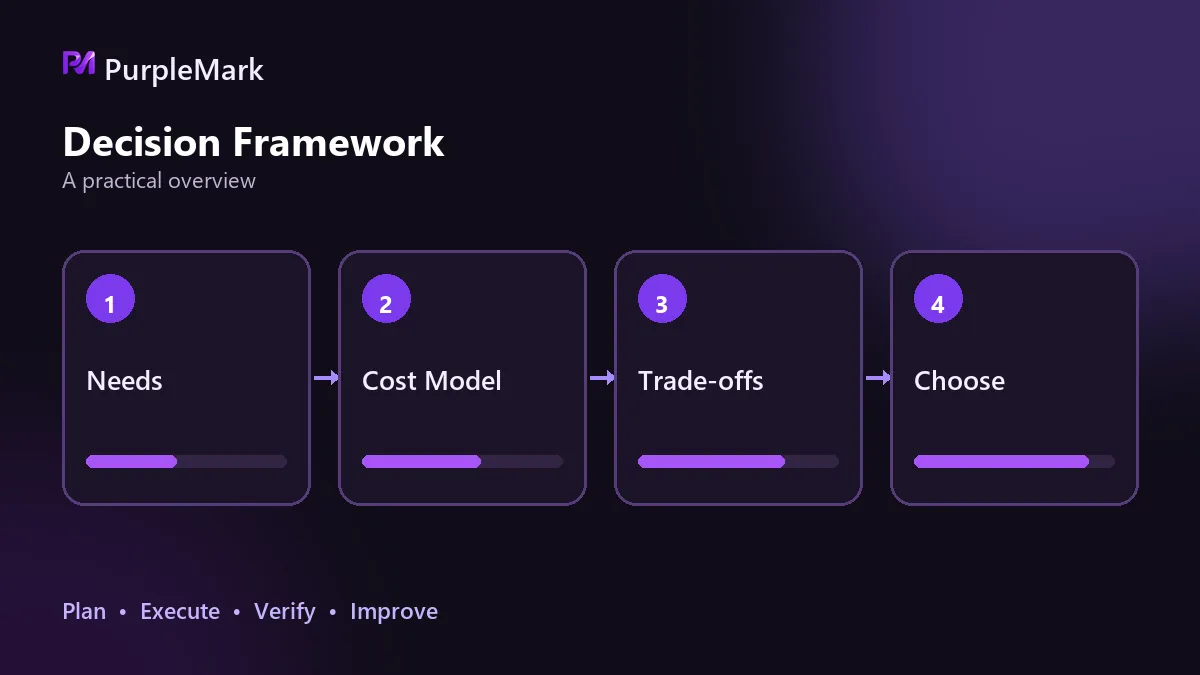
The decision order can be simple: first choose a type based on how much time you can invest, then decide how much effort to allocate based on the uncertainty you can accept, and only after that compare specific platforms by pay level.
One line you should not cross
Survey platforms generally require one account per person. Detection can consider several dimensions, including device environment, response behavior patterns, and profile consistency. Once a violation is identified, related balances may be frozen together.
Highly repetitive behavior patterns left by bulk answering are among the easiest signals to detect. In a team, having each person manage their own account and using tools such as PurpleMark to keep each login environment separate is normal practice; disguising one person's account activity as many different people in order to mass-complete surveys is a clear violation, and platform terms usually allow direct removal. Keep income expectations realistic as well: most people treat surveys as pocket-money supplementation, and earnings generally rise in proportion to the time invested.


