
Selling virtual products globally means managing product type and delivery, pricing and refund terms, cross-border payments and taxes, plus the transaction stages most prone to disputes. Defining responsibilities upfront can prevent many problems before they occur.
Virtual products have no inventory or shipping, and the marginal cost of handing over a file is almost zero. That advantage is obvious, but it also creates a problem: once an item is delivered, it cannot really be taken back, while sellers may struggle to prove whether or how a buyer used it. Pricing, refund policies, and license terms are all ways to define that responsibility boundary in advance.
Clarify what you sell and how you deliver it
The delivery method determines many things, including whether a refund can reasonably be offered. Common categories include asset products such as images, vectors, short video clips, and sound effects, which are delivered as file downloads and are considered delivered once received; templates such as design, document, and spreadsheet templates, which are also downloaded but depend more on file-format and version compatibility; knowledge and content products such as tutorials, ebooks, and industry reports, which provide reading access and can be redistributed by buyers; and subscription content packs, which are updated on a schedule and therefore need separate cancellation rules.
Print on demand follows another path: the seller supplies the design, while a platform or another provider produces and ships the physical item. Fulfillment responsibility shifts to printing and logistics providers, but copyright responsibility for the design remains with you. Custom delivery requires taking an order before creating the product, so timelines, revision limits, and delivery standards must be agreed in advance; this category often creates the most disputes.
Do not compare pricing by unit price alone
The same file can carry different prices depending on the license level. Personal use, commercial use, and exclusive licensing are different rights; if they are described unclearly, a buyer may use a personal-use asset for printing and resale. Format and resolution, whether layered source files are included, and whether future updates are promised should also be reflected in the price.
Platform commissions and payment-processing fees reduce the listed price, so the amount you actually receive is what determines whether the product is worthwhile. Beginners generally should not start at the high end: use a lower tier to validate demand first, then move gradually toward the industry average as sales grow. If you promise a limited edition or exclusivity, you must truly honor it. Failing to keep that promise can be more damaging than losing a few sales.
Put non-refundable cases upfront
There are relatively few situations in which a virtual product clearly warrants a refund: the file is corrupted and cannot be opened, the same order was purchased twice, the delivered content differs substantially from its description, or no delivery occurred after payment. Cases that are generally unsuitable for refunds should be stated even more clearly on the sales page: products already downloaded, licenses already used for printing or publication, purchases made for the wrong purpose, or simple subjective dissatisfaction.
The terms should also explain processing times, whether disputes follow the platform process or private communication, and that mandatory platform refund rules take priority over a seller's own policy. Lowering refund rates depends less on the wording of the policy than on the clarity of the product information: watermark previews, and state the format, dimensions, license scope, resale rules, and whether physical printing is permitted. When buyers resolve their questions before paying, refund requests naturally fall.
Handle payments and taxes before settlement day
There are essentially two payment models: the platform collects funds and settles them later, or you connect your own payment channel. The first is simpler but comes with settlement cycles and thresholds; the second is more flexible but leaves chargebacks and reconciliation to you. Either way, it is advisable to separate payment accounts from operating accounts and avoid sharing the same payment details across multiple accounts.
Tax administration is often overlooked. Most platforms require taxpayer identity information, and incomplete records can directly block withdrawals. For sales tax and VAT, cross-border platforms may collect and remit taxes in some situations, but coverage, thresholds, and applicable regions vary and can change with local regulations. Guessing from memory is risky: verify the platform guidance and the rules where your business operates, and keep order and settlement records. For decisions involving specific amounts, advice from a local tax or accounting professional is more reliable than personal estimates.
The areas most likely to cause disputes
Misunderstood license scope comes first. A buyer may think the purchase is a complete buyout while the seller believes it covers personal use only. When both sides interpret the same terms differently, disputes become difficult to resolve.
Problems in the asset itself are another source of risk. If AI-generated content contains trademarks, brand marks, or recognizable celebrity images, a platform may remove it, and serious cases may affect the account. During generation, prompts should explicitly exclude trademarks and brand elements; after generation, use a reverse-image search to check for conflicts. Dimensions, file formats, duration, and similar parameters should also match the target platform's requirements to avoid repeated rejection after submission.
Excessive similarity can be just as damaging. Producing dozens of images in the same style may be treated as duplicate or infringing content and can hurt the standing of the whole account.
Delivery delays and communication gaps are also common, especially for custom orders. When buyers pay and receive no reply while progress remains unclear, the result is often a refund plus a negative review.
There is also an environment issue. When multiple platforms and accounts are operated at the same time, using the same device and network for payment and storefront accounts can make them appear to belong to the same operator. If one account has a problem, others may be affected. A more structured approach is to give each account an independent environment and network exit. Multi-account environment tools such as PurpleMark can bind environments, proxies, and account data together to reduce mistakes from manual switching. This only addresses technical separation, however; each platform's rules on account numbers and identity still come first.
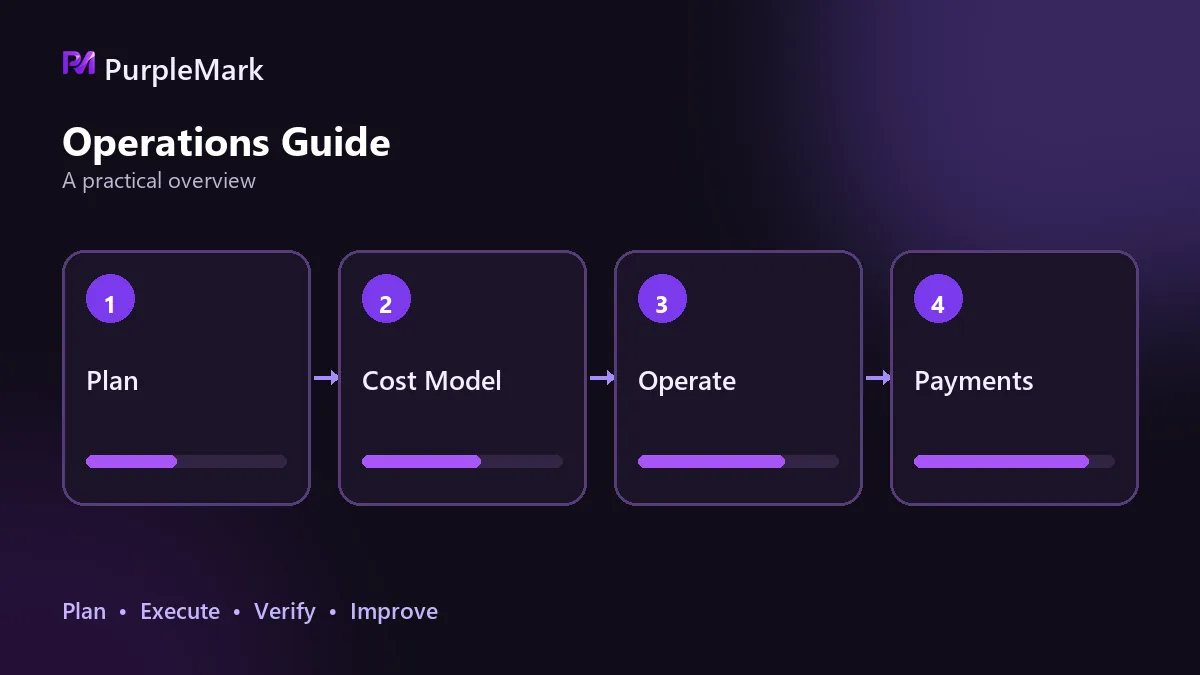
Work through these steps in order
Start product selection by looking for clear demand and insufficient supply on the platform. When choosing a delivery method, also decide whether that method can support refunds. Build pricing from the license level and then compare it with the platform's net payout. Finish refund terms and compliance explanations before listing the product, not after the first dispute. Once these steps are in place, the remaining questions are production efficiency and listing cadence.


