
LinkedIn is used mainly by business decision-makers and professionals. This guide explains the roles of personal and company pages, content and engagement cadence, invitation limits and etiquette, and the conversion path from content to direct messages and then email discussions.
The biggest difference between LinkedIn and Facebook or Instagram is that people arrive with a professional identity. Job title, industry, and company size are visible on profiles, which makes targeting people more precise. That also means LinkedIn is more like a relationship network that needs to be cultivated over time than a traffic pool you can simply buy into.
Personal profiles and company pages serve different purposes
A company page is the storefront: it explains what the company does, whom it has served, and what credentials it has. Content can be published consistently there, and the page can capture search traffic and shares. A personal profile carries trust. When someone opens your profile, they look at your role, career history, posts, and mutual connections. In B2B settings, replies almost always come from personal accounts rather than company pages.
So each side should be completed for its own role. A company page should cover product lines, customer cases, and certifications. A personal profile should use a clear headline, explain in one sentence what problem you can solve, and add location and industry so visitors can quickly see where interests may overlap. A real portrait usually gets connection requests accepted more easily than a logo, which matters at first contact.
Content cadence and ways to engage
The purpose of content is not merely to maximize exposure. It is to help potential customers who are not yet ready to buy remember you. Industry observations, case reviews, and explanations of changes to relevant standards are suitable topics. If you publish too many pure product ads, engagement tends to fall steadily.
Consistency matters more than high frequency. Two or three posts a week are enough if you have a point of view, and that is more useful than reposting links every day. Use LinkedIn analytics to identify when followers are active instead of copying someone else's schedule.
Do not skip interaction. Spending twenty to thirty minutes a day reading posts from target customers and peers and leaving one or two useful comments is more effective than mechanical likes. Comments are public, so when one person sees your perspective, people in that person's network may see it as well.
How many connection requests to send and what to write
The platform applies frequency limits to invitations and direct messages. Exact allowances vary with an account's past behavior, so follow the in-product notices. The newer the account, the more important it is to start with small volumes and first improve the acceptance rate.
Avoid generic templates in connection requests. A more effective approach is to mention something specific about the other person—content they shared, a project they are working on, a mutual connection, or an industry event—and then explain what you would like to discuss. Do not put a product link or quote in the first sentence, and do not open with promotional copy. After they accept, the first message should create interest, not try to close a deal.
From first contact to a business conversation
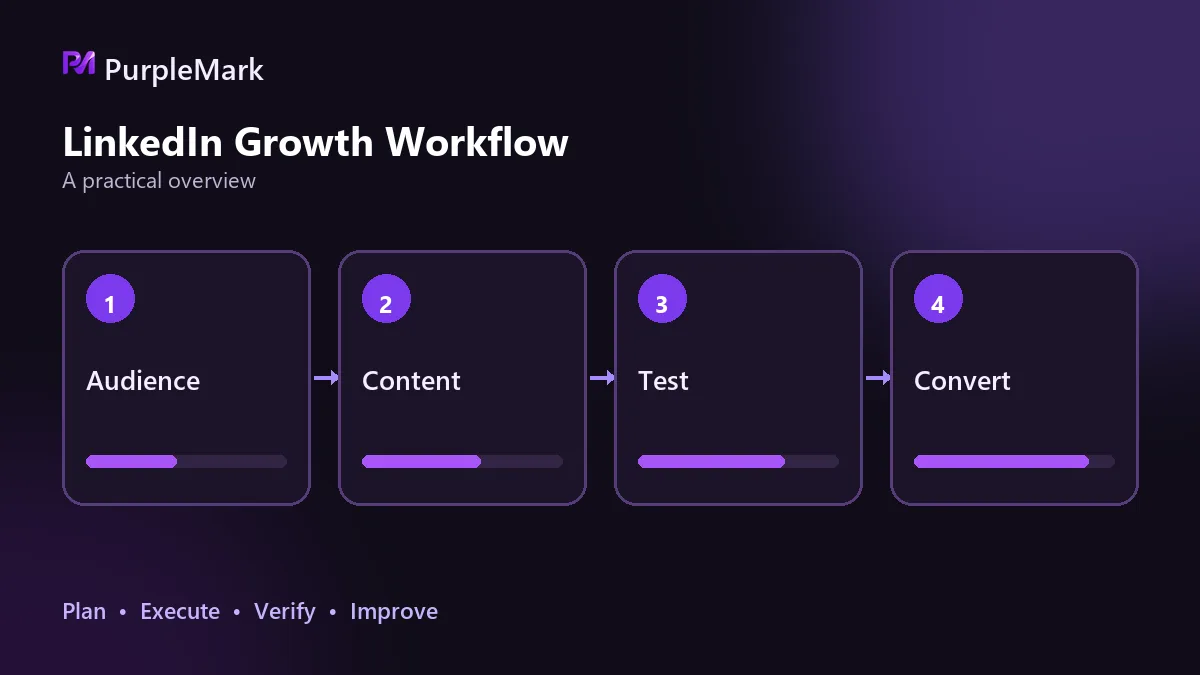
The path generally looks like this: first leave a professional impression through content, then use filtering features to identify target people, connect through personalized requests, discuss specific needs in LinkedIn messages, and finally move to email or an instant-messaging tool. LinkedIn works well for establishing initial trust, while email and messaging tools are more convenient when there are many documents and details to discuss.
Time is the easiest part of the process to underestimate. B2B decision cycles are long, and several months from first interaction to a closed deal is common. Progress depends on a steady stream of useful content and occasional check-ins rather than one burst of intensive outreach. Sending template messages in bulk may look efficient, but the platform restricts this behavior; if account functions are limited, the connections built earlier can lose their value at the same time.
Frequently asked questions
Can LinkedIn work for B2C? It is generally not the first choice, because mass-market consumer products are usually less efficient here than on consumer social platforms. You can still operate without strong content capabilities: search plus direct messages can produce short-term leads, but content remains the more stable long-term source. There is no universal number of people to add each day. Account standing and historical behavior determine the ceiling, so starting with small volumes and high relevance is more dependable.
When several people on a team use accounts, pay attention to two things. The account structure must comply with platform rules; do not present an identity that is not yours as a customer role. Different accounts also should not share the same browser environment and the same network exit, which are common signals platforms use to judge account association. For collaboration, give each account an independent browser environment and network exit so cookies, local storage, and fingerprint parameters stay isolated. Bind the environment, proxy, and account information for management so handoffs are less likely to get mixed up. Multi-account environment tools such as PurpleMark provide grouping, member permissions, and operation records for this type of collaboration. A compliant account structure remains the prerequisite.


