Classify Facebook issues into login and verification, page loading, Ads Manager errors, and temporary feature restrictions, then troubleshoot from the local environment to platform status and formal support channels.
After using the same platform for long enough, you will eventually run into a button that does nothing when clicked. These situations can look similar, but their causes may be very different: the platform itself may be malfunctioning, the account may be restricted, or something may be wrong with the local environment. Identify the category first so you do not waste time on the wrong fixes.
First step: reproduce the issue with another account or device
If the same feature still does not work after switching to another account or device, the problem is probably on the platform side rather than with your account. If it only happens on your machine, continue by checking the environment. This takes only a few minutes and can eliminate a lot of pointless troubleshooting later.
Login and verification issues
These issues usually come with a clear prompt: verification required, account unavailable, or being sent back after login. The prompt generally explains the reason and the next step, so read it fully first. The answer is often already there.
Then complete the requested verification, whether it involves a phone number, email, or identity check. Do not keep submitting the same materials. If the prompt includes an appeal option, use the official channel in the account backend or Help Center. Clearly state the time, what you were doing, and the exact error message; that is far more useful than an emotional description.
One detail is easy to miss: before verification is complete, repeatedly clicking restricted features only creates more failed-attempt records.
Page loading issues
The signs are straightforward: the page framework appears, but the content does not. Blank areas, endless loading, broken images, or misaligned elements generally fall into this category.
Start troubleshooting locally. First switch networks to see whether the network egress is the issue. Then try another browser, or use an environment with extensions disabled, to rule out extensions modifying page elements or blocking requests. If the problem remains after changing both network and browser, check the platform status page and feedback from peers. That usually shows whether there is a widespread issue at the same time.
Platform-wide outages are not something you can fix locally. In one case, there were eight hours between the start of an outage and the official notice that it had been fixed. During a window like that, nothing you do locally will help; waiting is the best option.
Ads Manager errors
Backend errors usually include an error code or an explanation. Copy the exact text first. The same error code can point to different causes during different actions, so keeping the original wording makes comparison easier.
The cause is usually in one of three places: payment status, such as an expired card, a billing address that does not match the ad region, or insufficient balance; restrictions recorded on the account; or a login environment that differs from normal. Check them in that order instead of clicking around randomly. If all three look normal, submit the issue using the method shown on the error page and include the error code and a screenshot.
Temporary feature restrictions
The symptom is that one specific feature becomes unavailable while everything else works normally, and the restriction lasts for some time. Refreshing the page does not fix it.
First determine whether the platform has tightened access broadly or whether the restriction only affects your account. Check whether other accounts from the same batch, or people performing similar actions, are seeing the same thing. If only your account is affected, review recent changes to the login environment and operation frequency. If you confirm the issue is unrelated to your own actions, appeal through an official channel. While waiting, do not keep changing environments and retrying; environment changes make it harder to explain the situation clearly during an appeal.
Troubleshooting order and three common mistakes
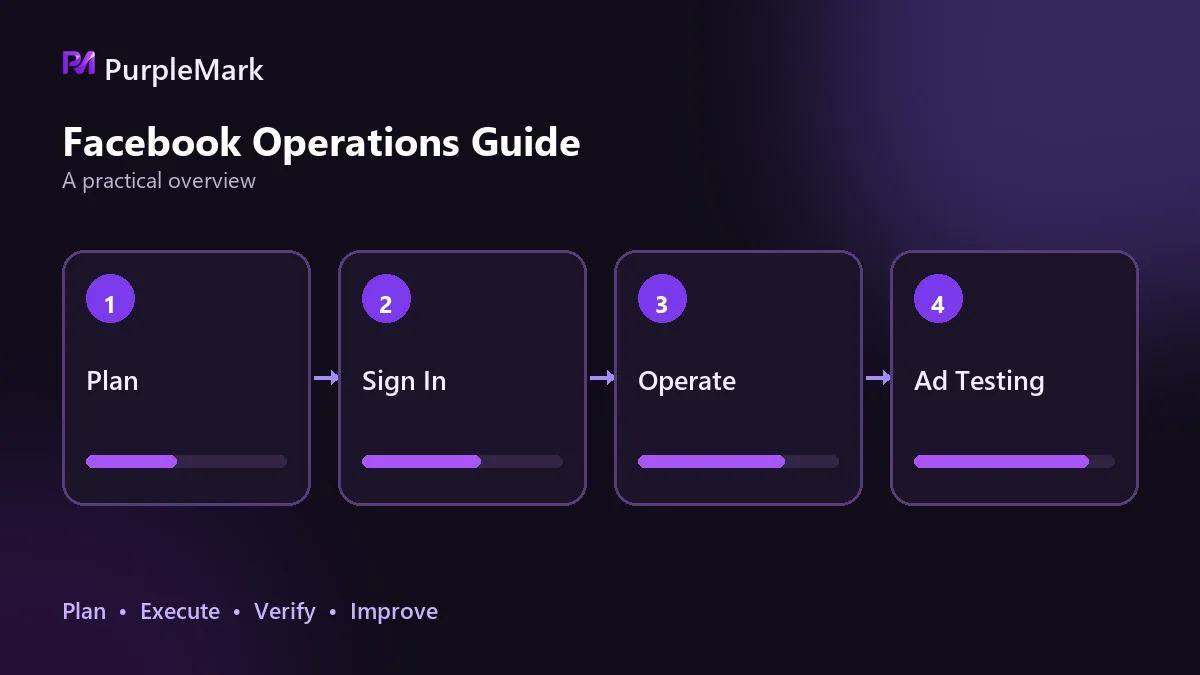
Use a fixed order: reproduce and rule out local causes first by switching accounts, devices, networks, and disabling extensions; then check platform status and peer feedback; only then use formal support channels. In most cases, the issue can already be categorized in the first stage, and the third stage is rarely needed.
There are also three common mistakes. First, changing environments immediately after a problem appears: a sudden environment change can itself be treated as an unusual login, making matters more complicated if the environment was not the original cause. Second, repeatedly clicking a restricted feature: repeated failed attempts can accumulate abnormal activity records. Third, changing several settings at once: afterward, you will not know which change actually helped. Change one thing at a time, observe the result, and then decide the next step.
Teams managing multiple accounts have another factor to consider. If several accounts share the same network egress for a long time, the platform sees a group of logins coming from the same network. When one account runs into trouble, the others may receive additional scrutiny as well. Giving each account its own independent environment and egress reduces the blast radius. Environment-isolation tools such as PurpleMark are designed for this purpose: they keep each account's browser environment and network egress fixed so the accounts do not affect one another.


